https://youtu.be/R4u-3Cppm5E?si=Z23bOm0PxD18DfBX
Resipe nya dalam gram.
Aku banyak kali cuba tanps tengok video. Bodoh betul. Buang duit lagi beli kusli kecil supaya tepung tenggelam. Rupanya tidak.
Baru mau cuba lagi.
https://youtu.be/R4u-3Cppm5E?si=Z23bOm0PxD18DfBX
Resipe nya dalam gram.
Aku banyak kali cuba tanps tengok video. Bodoh betul. Buang duit lagi beli kusli kecil supaya tepung tenggelam. Rupanya tidak.
Baru mau cuba lagi.
 |
| Fish Scale Jelly Cold |
With around 20% of the jelly is glycine, there is no need to add glycine. It increases sweetness but it doesn't increse its deliciousness to me. Even red dates are optional. Its main purpose is to reduce fishy smell. Vinegar may be a better choice.
Over generations, coastal communities in Sabah adapted the recipe to create a sweet, refreshing dessert tailored to the tropical climate:
In recent years, Jeli Sisik Ikan has transitioned from a humble home-cooked specialty into a popular regional delicacy across Sabah. Health-conscious locals and visitors view it as a natural, economical, and zero-waste alternative to commercial collagen supplements.
Anti-aging fish scale collagen jelly for beautiful and flawless skin. Also as a natural remedy knee pain.
Fish scale collagen offers numerous benefits, including enhanced skin elasticity, potential relief from joint pain, support for bone health, accelerated wound healing, and anti-aging properties. It's also a relatively safer and more accessible source of collagen compared to other animal-derived collagen sources.
Here's a more detailed look at the benefits:
Skin Health:
Improved skin elasticity:
Fish collagen can help increase skin elasticity, making it more resilient and less prone to wrinkles and fine lines.
Reduced wrinkles:
Studies have shown that marine collagen, including fish scale collagen, can reduce the appearance of wrinkles and improve overall skin structure.
Enhanced wound healing:
Collagen's ability to promote tissue repair and regeneration is a key factor in wound healing, and fish scale collagen is particularly effective in this area.
Joint and Bone Health:
Relieved joint pain:
Fish collagen may help reduce joint pain and stiffness by supporting cartilage health and reducing inflammation.
Promoted bone health:
Collagen plays a role in maintaining bone density and strength, and fish scale collagen can contribute to overall bone health.
Other Benefits:
Anti-aging properties:
Fish collagen can help delay some signs of aging, such as wrinkles, joint issues, and skin laxity.
Shorter wound healing cycles:
Fish scale collagen peptides can shorten the wound healing cycle by promoting faster regeneration of tissues.
Safer source:
Fish scale collagen is considered a safer source than some other collagen sources due to the absence of zoonotic infections and religious issues.
Bioavailability:
Fish collagen is known for its high bioavailability, meaning it's easily absorbed and utilized by the body.
Ingredients
A bunch of pandan leaves
3 handful red dates
300g dried fish scales
5 litres of water
Rock sugar to taste
Gojiberries

**Red dates** (also known as **Chinese jujube**, *hong zao*, or *kurma merah*) are a nutritional powerhouse widely used in traditional cooking, herbal teas, and natural desserts—such as Sabahan fish scale collagen jellies.
Below is a detailed breakdown of the nutritional content of **dried red dates** (per 100 g serving):
### 📊 Macronutrient Breakdown (per 100 g)
| Nutrient | Amount | % Daily Value (DV)* |
|---|---|---|
| **Calories** | ~281 kcal | 14% |
| **Carbohydrates** | ~72.5 g | 26% |
| **Dietary Fiber** | ~6.0 g | 21% |
| **Natural Sugars** | ~52.0 g *(fructose & glucose)* | — |
| **Protein** | ~4.7 g | 9% |
| **Total Fat** | ~0.5 g | 1% |
| **Water Content** | ~20.2 g | — |
**Percent Daily Values are based on a standard 2,000-calorie diet.*
### 🌟 Key Vitamins & Minerals
* **Vitamin C (~217 mg | >200% DV):** Dried red dates contain exceptionally high levels of Vitamin C for a dried fruit. Vitamin C acts as an antioxidant and plays an essential role in immune function and natural collagen synthesis.
* **Iron (~5.1 mg | 28% DV):** Rich in plant-based iron, making red dates a staple in traditional cooking to help combat fatigue and replenish red blood cells.
* **Potassium (~217–1,080 mg | ~23% DV):** Supports muscle control, nerve signals, and healthy blood pressure regulation.
* **Calcium (~63 mg | 5% DV) & Phosphorus (~68 mg | 10% DV):** Minerals that support bone strength and cellular repairs.
* **Trace Minerals:** Contains small amounts of copper, manganese, zinc, and B-vitamins (Thiamin B1 and Riboflavin B2).
### 🌿 Bioactive Compounds & Health Benefits
1. **Polysaccharides & Flavonoids:** Natural complex sugars and antioxidants that help reduce oxidative stress, lower inflammation, and stimulate immune cell activity.
2. **Saponins (*Jujubosides*):** Active plant compounds that exert a mild calming effect on the nervous system, helping to ease anxiety and improve sleep quality.
3. **Cyclic AMP (cAMP):** Red dates are one of the highest plant-based food sources of cAMP, a cellular signaling molecule that promotes vasodilation (blood vessel relaxation) and circulation.
4. **Natural Sweetener:** Because of their high content of natural fructose and glucose, red dates add a gentle caramel-like sweetness to soups, herbal teas, and desserts without needing large amounts of added refined sugar.
In fish scale collagen (which is predominantly Type I collagen), glycine accounts for approximately one-third of all amino acid residues.
Depending on how it is measured (by residue proportion vs. total dry weight), the typical values are:
Collagen forms a tight triple-helix structure composed of three interwoven polypeptide chains. This structure relies on a repeating amino acid triplet pattern:
\text{(Gly – X – Y)}_n
Because glycine is the smallest amino acid (having only a single hydrogen atom as its side chain), it is the only residue small enough to fit inside the tightly packed central axis of the collagen helix. Without glycine occupying every third position, the triple helix cannot assemble correctly.
| Component | Proportion (Residues / 1,000) | Weight % (approx.) | Role in Collagen |
|---|---|---|---|
| Glycine | 300 – 340 | 20% – 25% | Core triple-helix packing |
| Proline | 110 – 130 | 11% – 15% | Structural stability & rigidity |
| Hydroxyproline | 70 – 100 | 8% – 12% | Thermal & conformational stability |
| Other Amino Acids | ~450 | ~50% | Outer functional groups (Alanine, Glutamic Acid, Arginine, etc.) |
Note: Minor variations in glycine content occur depending on the specific fish species (e.g., tilapia, carp, sea bass), habitat temperature, and the extraction/purity level of the collagen sample.


https://my.shp.ee/3qmHt1qi
Tapai Nasi lebih sehat dari nasi sebab kurang gula dengan rendah GI, Glycemic Index.
Tapi bacaan glucose ku naik dari 4.8 kepada 9.8 dalam 30 minit juga sewaktu makan 50g, seperti di gambar di atas. Ertinya, masih bahaya. Cuma kurang saja. Siapa yang ada penyakit, baik kurangkan juga makan carb yang di peram ataupun di kapur.
Patutlah. Kekurangan GI Tapai Nasi jenis kulat/fungal, cuma setakat 10% sebab banyak nasi di tukar jadi glucose. Itulah rasanya terlalu manis.
Awas, until orang tua, terlalu banyak gula, boleh dapat lali/dementia/alzeimer, atau banyak lagi penyakit otak seperti ADHD, Austism, Depression, Schizophrenia. Selalu datang penyakit otak ini kalau makan lebih dari 100g carb, walaupun LDL naik. Namun bacaan plague/penyumbat saluran darah, tidak bertambah pun.
Namun, orang yang sudah tinggi plague nya, di syorkan kurangoan carb, tapi ambil ubat pengurang LDL seperti statin untuk berhati hati. Namun perlu buat scan saluran darah selalu juga untuk tengok kesan ubat.
Di Sabah, cuma Nasi di jadikan tapai, bukan ubi kayu atau pulut yang terlalu manis. Tapai Nasi Sabah, seruoa dengan Saraeak dan Brunei, kurang nanis tapi ada rasa asam.
In Borneo—especially during festive celebrations like Kaamatan in Sabah or Gawai in Sarawak—**tapai nasi** is a deeply cherished traditional delicacy. While many regions across Malaysia primarily use glutinous rice (*beras pulut*) to make tapai, the classic Bornean staple frequently utilizes everyday white table rice (*beras biasa*). The result is a highly economical, wonderfully sweet, tangy, and naturally fizzy treat.
Here is how you can craft authentic Bornean-style tapai nasi right at home.
As shown in the image, the traditional Bornean method thrives on wrapping the inoculated rice into neat, conical or triangular leaf packets. Native wild leaves like **daun irik** (phacelophrynium maximum) or **daun nipah** are prized because they impart a distinct, rustic fragrance to the rice as it ferments.
### What You Need
* **White Rice:** 4 cups (Standard long-grain or any local white table rice)
* **Yeast Culture:** 1 piece of **Sasad** (traditional Sabahan rice yeast cake) or standard *ragi tapai*—roughly the size of a 20-sen coin.
* **Wrapping Material:** Cleaned and thoroughly dried *daun irik*, banana leaves, or a clean, airtight container.
* **Fasteners:** Small wooden picks or *lidi* to pin the leaves together.
## The Method
1. Cook and Fluff the Rice
15–20 minutes
Cook your white rice as you normally would, but reduce the water ever so slightly to achieve an al dente texture. You want the grains to be cooked through but firm. Once done, gently fluff the rice to separate the grains.
2. Cool the Rice Completely
Crucial Step — 1 to 2 hours
Spread the cooked rice out thinly onto a large, flat tray or traditional woven mat. The rice must cool 100% to room temperature. If the rice is even slightly warm, the trapped heat will instantly kill the delicate live yeast cultures, causing the entire batch to turn sour, fail to ferment, or develop mold.
3. Pulverize the Sasad
5 minutes
Take your sasad or ragi cake and crush it into a perfectly fine, smooth powder using a mortar and pestle or the back of a clean spoon. Pro-tip: Sun-drying the yeast cake for 10 to 15 minutes before crushing helps fully activate the microbes.
4. Inoculate the Rice
5 minutes
Using a fine mesh sieve, gently sift and sprinkle the powdered yeast evenly across the cooled surface of the rice. Using a clean plastic spatula or gloved hands, toss the rice softly until every single grain is lightly dusted with the powder.
5. Wrap and Seal
15 minutes
Place 2 to 3 tablespoons of the inoculated rice into the center of a bone-dry leaf. Fold it securely into a classic triangular pocket and pin it closed with a piece of lidi. If local leaves are hard to find, pressing the rice firmly into a sterilized, completely dry plastic container works just as well.
6. Fermentation Period
36 to 48 hours
Store your wrapped packets or closed container in a dark, warm, and undisturbed corner of the house (like a pantry cabinet). Let nature do its work for roughly 2 days.
### Verifying the Ripeness
After 36 to 48 hours, peek inside one of the packets. You are looking for a few telltale signs: a beautifully sweet, slightly pungent aromatic scent; soft, glistening rice grains; and a small pool of natural sweet liquid (*air tapai*) collecting at the bottom.
Once it reaches this stage, **move the tapai immediately into the refrigerator**. Cold temperatures put the fermentation on pause, preventing it from turning overly sour or aggressively alcoholic, while making it incredibly refreshing to eat chilled.
> **Cultural Wisdom & Taboos:**
> In Bornean folklore—particularly within Kadazandusun heritage—making tapai is intimately connected with showing respect to the rice spirit, *Bambaazon*. Traditional taboos warn that you should never argue, yell, or display anger while mixing the rice, or the tapai will turn sour and spoil. Many traditional home brewers still place a clean piece of charcoal right on top of the fermenting bundle to ward off negative elements and guarantee a sweet turn-out!
>
**Yes, fermenting rice reduces its Glycemic Index (GI).** When rice undergoes fermentation, microorganisms (such as lactic acid bacteria and yeasts) transform the physical and chemical structure of its starches, resulting in a significantly gentler impact on blood sugar levels.
## Key Mechanisms Behind the Reduction in GI
### 1. Production of Organic Acids
During fermentation, beneficial bacteria consume simple sugars and produce organic acids (primarily lactic acid and acetic acid).
* **Slower Gastric Emptying:** These organic acids lower the pH of the rice matrix. Acidic foods take longer to pass from the stomach to the small intestine, slowing down overall digestion.
* **Enzyme Inhibition:** The acidic environment partially inhibits digestive enzymes like \alpha-amylase and glucosidase, delaying the speed at which starch is broken down into glucose.
### 2. Formation of Resistant Starch
The drop in pH combined with microbial activity promotes starch retrogradation (recrystallization of starch molecules).
* Easily digestible starches are converted into **resistant starch**.
* Resistant starch resists breakdown in the small intestine, passing through to the large intestine where it behaves like dietary fiber. Because it isn't rapidly absorbed as glucose, the glycemic response is lowered.
### 3. Consumption of Simple Sugars by Microbes
Before you even take a bite, the microbes have already "eaten" a portion of the rice's readily available carbohydrates and simple sugars to fuel their growth. This directly reduces the total pool of rapidly digestible carbohydrates in the rice.
## Real-World Culinary Examples
* **Overnight Fermented Rice (*Panta Bhat* / *Pazhayasadham*):** Soaking cooked rice in water at room temperature overnight allows wild lactic acid bacteria to ferment it. Studies show this traditionally prepared fermented rice causes a lower post-meal glucose spike than freshly cooked hot white rice.
* **Fermented Batters (*Idli* & *Dosa*):** Fermenting soaked rice ground with lentils breaks down complex starches and lowers the batter's overall glycemic index compared to unfermented rice flour mixtures.
> **Bonus Tip:** If you cook rice, cool it down in the fridge (which builds resistant starch), and *then* subject it to light fermentation or souring, you get a double-lowering effect on its glycemic index!
>
|
Sweet Fermented Rice (Tapai / Sweet Koji) |
65 – 80+ (Medium-High) |
Fast glucose absorption |
Fungal enzymes break starches directly into simple sugars (glucose/maltose). |
From a traditional fermentation standpoint, it offers genuine probiotic and gut-health benefits. However, from a metabolic and blood sugar standpoint, it behaves much like a sweetened dessert. Whether it is "healthy" depends largely on your metabolic health, portion size, and how often you eat it.
The traditional Sabahan fermentation process using sasad (starter culture) introduces beneficial microorganisms, including lactic acid bacteria (LAB) and wild yeasts.
Fermentation breaks down anti-nutrients (such as phytic acid) naturally present in rice. This process makes trace minerals—like zinc, magnesium, and iron—easier for your digestive tract to absorb.
As the fungi and yeasts ferment the rice, they produce organic acids (like lactic acid and acetic acid) and small amounts of B-complex vitamins. Lactic acid helps create a slightly acidic environment in the gut that suppresses harmful pathogens.
As discussed earlier, fermentation pre-digests complex rice starches into free glucose and simple sugars.
As yeast ferments the released sugars, it produces alcohol.
Because it is sweet and easy to digest, tapai nasi is easy to overconsume. The rapid absorption of simple sugars without intact fiber can contribute to excess calorie intake and visceral fat accumulation over time if eaten regularly.
| Health Goal / Condition | Is Tapai Nasi Healthy for You? | Recommended Approach |
|---|---|---|
| General Gut Health (Healthy Blood Sugar) | Yes (in moderation) | Enjoy small portions (2–3 tablespoons) as a probiotic treat after meals. |
| Prediabetes / Diabetes | No (High Risk) | Treat strictly as an occasional delicacy in tiny portions; pair with protein/fat. |
| Fatty Liver / Liver Concerns | No | Best avoided or limited due to the combined sugar and alcohol content. |
Bottom Line: Tapai nasi Sabah is best enjoyed as a traditional cultural delicacy or an occasional fermented digestive aid rather than a daily staple food.
Managing prediabetes doesn't mean you have to give up traditional fermented delicacies like tapai forever. However, because fermentation breaks down starches into fast-acting simple sugars, consuming tapai safely requires changing how, when, and how much you eat.
Here are 5 practical, science-backed strategies to enjoy traditional tapai without triggering a sharp blood sugar spike.
Never eat tapai on an empty stomach. Eating non-starchy vegetables (high fiber) followed by protein and healthy fats before consuming carbohydrates creates a physical matrix in your digestive tract. This slows gastric emptying and delays sugar absorption.
Portion size is the single most effective lever for controlling Glycemic Load (GL).
The sweet juice that pools inside the leaf wrapping or fermentation vessel (air tapai) contains the highest concentration of unbound, pre-digested glucose and alcohol.
Light physical activity immediately after your meal activates muscle contraction (specifically in the large muscles of your legs). This triggers GLUT4 glucose transporters to pull sugar directly out of your bloodstream into your muscle cells—lowering peak blood glucose levels without requiring your pancreas to pump out extra insulin.
Having a salad with a vinaigrette dressing, or drinking 1 tablespoon of apple cider vinegar diluted in a glass of water before your meal, can inhibit digestive enzymes (like alpha-amylase) and slow stomach emptying. Studies show this can flatten post-meal glucose spikes by 20% to 30%.
If your main goal in eating tapai is to support gut health and get beneficial probiotics, consider incorporating traditional fermented foods that contain zero simple sugars:
It is a Pan Cake. It only tastes like Tapai Nasi that is a litthle bit sour with a unique smell.

My mother used to cook it when we buy Tapai Nasi, i.e. Fermented Rice. She will leave some, so that she can make Pan Cakes that are fried, or steamed in a tray like Kuih Lapis or Kusui.
"Pancake tapai nasi" (often traditionally made as **Apam Tapai Nasi** or steamed rice cakes) is a brilliant way to use fermented rice. In Borneo—especially Sabah—*tapai nasi* (often referred to locally as *Komis* when made sweet with a pinkish hue) is a beloved traditional food. It has a naturally sweet, slightly tangy flavor and a wonderful yeasty aroma.
When you use *tapai nasi* in a pancake or *apam* batter, the natural fermentation acts as a yeast. This gives the pancake a distinct, beautifully fragrant aroma and an incredibly soft, airy texture that you simply can't get from regular baking powder alone.
Here is how to make a Borneo-style Tapai Nasi Pancake. You can either pan-fry this batter like a standard Western pancake or steam it to make traditional *Apam Nasi Mekar*.
## Ingredients
**For the Batter:**
* **1 cup** *Tapai Nasi* (fermented rice — homemade or store-bought)
* **2 cups** Rice flour (*Tepung Beras*)
* **½ cup** All-purpose flour (*Tepung Gandum*)
* **¾ to 1 cup** Sugar (adjust based on how sweet your tapai already is)
* **1 ½ cups** Water
* **1 sachet** Eno fruit salt (original/blue packet) OR 1 tsp baking powder (added right before cooking)
* *Optional:* A few drops of food coloring (pandan green or pink)
## Step-by-Step Instructions
### 1. Blend the Base
In a blender, combine the *tapai nasi*, sugar, and water. Blend until the mixture is completely smooth and no whole rice grains remain.
### 2. Mix the Dry Ingredients
Pour the blended mixture into a large mixing bowl. Gradually whisk in the rice flour and all-purpose flour until the batter is smooth and free of lumps.
### 3. Let it Ferment (Crucial Step)
Cover the bowl with a clean cloth or plastic wrap. Let the batter sit at room temperature for **4 to 6 hours**. This resting period allows the natural yeast in the *tapai* to activate, which develops the authentic sour-sweet aroma and creates the bubbles needed for a fluffy texture.
### 4. Add the Leavening Agent
Just before you are ready to cook, sprinkle the Eno or baking powder into the batter and stir gently. You will see the batter become foamy and light. If you are using food coloring, divide the batter and mix in the colors now.
### 5. Cook the Pancakes (Two Ways)
**Method A: Pan-Fried (Pancake Style)**
1. Heat a non-stick pan over medium-low heat and lightly wipe it with cooking oil or butter.
2. Pour a ladle of batter onto the pan.
3. Let it cook until you see the surface covered in popped bubbles and the edges dry out (about 2-3 minutes).
4. Flip carefully and cook for another minute until golden brown. Serve hot.
**Method B: Steamed (Traditional Apam Style)**
1. Prepare a steamer and bring the water to a rolling boil.
2. Pour the batter into small, lightly oiled molds (like traditional apam cups) until they are nearly full.
3. Steam on high heat for **10 to 15 minutes**. *Tip: Wrap the lid of your steamer with a cloth so water droplets don't fall onto the cakes.*
4. The cakes should "bloom" or crack open at the top (*apam mekar*). Let them cool slightly before removing from the molds.
> **Flavor Pairing:** If you pan-fry these, they are fantastic plain, but they also pair beautifully with a dusting of freshly grated coconut mixed with a tiny pinch of salt to balance the sweetness.
>

Kuih kukus Tapai Nasi
50g Tapai Nasi
50g Tepung tarigu/gandum
10g Glycine
150cc air
Peram bertutup rapat 24 jam
Kukus 30 minit
Kembang dengan baik. Tidak perlu baking powder atau Eno.Rasa nya sedang manis tapi rasa tapai kurang. Masih ada tapi terlalu sedikit. Tidak macam yang aku pernah rasa, seperti masakan mama ku. Mungkin kurang gula, tapi itu tidak sehat.
Glucose ku naik dari 4.8 ka 5.1, selepas makan tapai nasi 150g saja. Mungkin keluar dari Ketosis sudah aku, apa lagi Boz ratio pun tidak lulus.
Kuih Kukus Tapai Nasi (juga dikenali sebagai Apam Tapai Nasi) merupakan kuih tradisional Borneo yang sangat istimewa kerana menggunakan nasi yang ditapai bersama ragi sebagai agen penaik semula jadi. Proses penapaian inilah yang memberikan aroma wangi yang unik, rasa manis-masam yang lembut, dan tekstur kuih yang sangat gebu selepas dikukus.

Cubaan pertama. Kuih sehat dan paling senang. Air kapur/limestone/calcum hydroxide buat nixtamalization. Juga rendah GI. Bukan macam Kasui, Kosui, Konsui Malaya yang menggunakan baking powder/sodium carbonate.
The Sciene of Nixtamalization: Why Real Corn Tortillas Start With Lime https://www.vttortillaco.com/blog/the-science-of-nixtamalization?srsltid=AfmBOop9aSKciybSOB1PgeQV9fjpUiSzZ1KTExbq6TWkmd76l6JCZCG3
Kuih kusui Sabah.
Air 150cc
Gula merah 30g
Glycine 20g
tepung tarigu/gandum 95g.
Air kapur pekat 5g.
kukus selama 30 minit.
Formulanya:
air = tepung + pemanis
kapur = 2g, 2% tepung
tapi sebab cair, aku taruh 3 kali lebih.

Baunya macam kusui laj. Rasa nya terlalu manis pula. Warna pun putih. Perlu pakai gula melaka yang gelap warna dan kurang manis. ll
https://youtu.be/Xwicl7ejm0Q?si=i8v7hkKSLJAznXW9
https://youtu.be/Xwicl7ejm0Q?si=cnopH3NLPp48aZct
Resepi orang Sabah tapi terikut cara orang Malaya, yang di panggil Kaswi sebab di campur tepung ubi yang jarang di gunakan di Sabah. Paling pun tepung kanji.
Cara masak di talam lah yang selalu di buat. Tepung ubi atau kanji lebih mahal jadi buat apa guna kalau kapur sudah cukup.
I need to look up the specific ratio for nixtamalization with wheat flour, as the traditional nixtamalization process is typically used for corn (maize), not wheat. Let me search for this
I need to be upfront with you: nixtamalization is traditionally done with whole corn kernels (maize), not wheat flour. The process involves cooking and steeping whole grains in an alkaline solution to soften hulls, release nutrients, and create a workable dough (masa). Wheat flour is already milled and processed, so the traditional nixtamalization process doesn't directly apply.
However, there is research and experimentation on nixtamalizing whole wheat grains (not flour). Let me share what I found:
Aku tanya Kimi tentang sukatan yang betul untuk Nixtamalization. Perlu lebih kapur, 2 kali ganda dari jagung. 5g kapur untuk 100g.
Tapi ini untuk biji gandum tapi sukatan tetap sama sebab kimia nya sama.
Aku tahu prosess ini sebab tauhu/bean curd pun pakai kapur.
Kasui dan Kosoi, Konsoi Malaya dan China guna sodium carbonate atau alkaline water. Di Sabah tidak. Kuih jadi kental dan tidak perlu lain tepung, macam kuih orang Malaya. Rasa Kusui ini pahit dan ada rasa sabun, tapi ini yang aku suka. Rupanya lagi sehat.
Untul sukatan, guna experimen Nordik.
For Corn (The Traditional Standard)
The established ratio for corn nixtamalization is:
Ingredient Ratio
Calcium hydroxide (Ca(OH)₂) 0.5–1.5% by weight of corn
Water 150–300% by weight of corn
So for 100g of corn, you need:
- 0.5–1.5g calcium hydroxide
- 150–300ml water
Most traditional recipes use 1% (1g per 100g corn) as a safe, effective standard.
A more specific traditional ratio is:
- 1.5g lime : 100g corn : 300g water
---
For Whole Wheat Grains (Experimental)
The Nordic Food Lab experimented with nixtamalizing whole Øland wheat grains and used:
Ingredient Amount
Whole wheat grains 100g
Water 500g
Calcium hydroxide 5g (5%)
Salt 5g
This is a much higher concentration (5%) than corn, because wheat has a different structure — the bran is tougher and the grain is smaller. They cooked for 45 minutes and steeped for 6 hours.
---
The Problem with Wheat Flour
Issue Explanation
Already milled The hull (bran) is already separated; no pericarp to soften
Starch is exposed Alkali will react directly with starch, causing excessive gelatinization
No "nixtamal" to grind You can't make masa from flour — it's already flour
Texture problems Alkaline-treated flour becomes gummy, soapy, or unpleasant
---
What You Might Actually Want to Do
If your goal is to treat wheat flour with calcium hydroxide for a specific purpose, here are the realistic options:
Option 1: Use It Like Baking Soda (Small Amounts)
Some traditional breads (like pretzels, bagels, or ramen noodles) use alkaline agents to:
- Improve texture (chewiness)
- Enhance browning (Maillard reaction)
- Develop flavor
For 100g wheat flour, a typical alkaline treatment would be:
Purpose Calcium Hydroxide Amount
Mild alkalinity (slight texture change) 0.3–0.5g
Moderate alkalinity (noticeable chewiness) 0.5–1.0g
Strong alkalinity (ramen noodle style) 1.0–2.0g
> Note: This is NOT nixtamalization — it's simply adding an alkaline agent to dough. Most recipes actually use baking soda (sodium bicarbonate) or kansui (potassium carbonate + sodium carbonate) instead of calcium hydroxide for this purpose.
Option 2: Nixtamalize Whole Wheat Grains First
If you want true nixtamalization with wheat:
1. Start with whole wheat berries (not flour)
2. Use 5g calcium hydroxide per 100g wheat (based on the Nordic Food Lab experiment)
3. Cook for 45 minutes, steep for 6+ hours
4. Wash thoroughly
5. Grind into a dough/masa
Option 3: Buy Pre-Nixtamalized Flour
For corn, this is called masa harina. For wheat, there's no commercial equivalent because wheat isn't traditionally nixtamalized.
---
Safety Warning
Concern Details
Too much calcium hydroxide Makes food bitter, soapy, and potentially harmful to digestion
Food-grade only Use "pickling lime" or "cal" — never industrial/agricultural lime
pH matters Nixtamalization typically reaches pH 11–12; this is safe when properly washed
---
Bottom Line
What You Asked The Reality
Nixtamalize 100g wheat flour with calcium hydroxide Not traditionally done — flour is already processed
If you want to add calcium hydroxide to wheat flour dough 0.5–1g per 100g flour for texture/flavor (not true nixtamalization)
If you want to nixtamalize whole wheat grains 5g calcium hydroxide per 100g wheat (experimental, based on Nordic Food Lab)
---
Could you clarify what you're trying to achieve? Are you looking to:
1. Make a chewy wheat-based dough (like ramen or pretzels)?
2. Experiment with nixtamalized whole wheat for tortillas?
3. Add calcium to your diet through fortified flour?
That would help me give you a more precise answer.
When discussing carbohydrates and the **Glycemic Index (GI)**, food chemistry reveals a fascinating interaction between calcium salts and carbohydrate structure.
In soybeans and unsweetened soy milk, digestible carbohydrates (starches and simple sugars) are naturally very low. Most of the carbohydrates present are dietary fiber and prebiotic oligosaccharides (such as raffinose and stachyose). Because of this, unsweetened soy milk naturally has an extremely low GI—typically between 15 and 30.
However, the short answer to your question is **yes: both calcium sulfate (\text{CaSO}_4) and calcium hydroxide (\text{Ca(OH)}_2) can reduce the glycemic index of carbohydrate foods**, though they do so through slightly different mechanisms.
## How Calcium Reduces the Glycemic Index
When calcium salts are added to carbohydrate-rich foods or soy liquids, calcium ions (\text{Ca}^{2+}) interact directly with the molecular structure of carbohydrates and proteins:
### 1. Formation of Resistant Starch
Divalent calcium ions (\text{Ca}^{2+}) form ionic bridges with amylose and amylopectin (starch molecules). This cross-linking promotes starch retrogradation, converting easily digestible starch into **resistant starch**. Resistant starch behaves like dietary fiber—it resists breakdown in the small intestine, leading to a much smaller spike in blood glucose levels.
### 2. Enzyme Barrier & Slowed Digestion
The calcium-bound matrix acts as a physical barrier. Digestive enzymes, such as \alpha-amylase, have a harder time reaching and cleaving the carbohydrate bonds. This delays glucose absorption into the bloodstream, effectively lowering the food's GI.
### 3. Solid Matrix & Gastric Emptying
In soy milk, calcium sulfate causes proteins and remaining complex carbohydrates to gel into a solid matrix (curd or tofu). Solid food matrices take longer to leave the stomach (slower gastric emptying) than liquid soy milk, which further flattens any post-meal blood sugar curve—especially if the soy milk has added sweeteners.
## Calcium Sulfate (\text{CaSO}_4) vs. Calcium Hydroxide (\text{Ca(OH)}_2)
While both compounds deliver calcium ions (\text{Ca}^{2+}), their chemical environments alter how strongly they affect glycemic response:
### Calcium Hydroxide (\text{Ca(OH)}_2) — *Slaked Lime*
* **Primary Use:** Famous for **nixtamalization** (the traditional Mesoamerican process of soaking corn/maize in an alkaline calcium hydroxide solution).
* **Impact on GI:** Highly significant. The strong alkalinity (\text{pH}) combined with calcium ions partially hydrolyzes starches and cell wall pectins while simultaneously forming insoluble calcium-starch complexes.
* **Result:** Corn processed with calcium hydroxide (like traditional masa flour for tortillas) has a **markedly lower glycemic index** and higher resistant starch content than untreated corn flour.
### Calcium Sulfate (\text{CaSO}_4) — *Gypsum*
* **Primary Use:** Traditional tofu and *taufu fa* coagulant.
* **Impact on GI:** Gypsum is \text{pH}-neutral. It does not chemically break down starch granules the way alkaline lime does. Instead, its primary mechanism for lowering GI is through **protein cross-linking and physical entrapment**.
* **Result:** In high-starch grains or sweetened soy desserts, gypsum cross-links residual pectins and proteins, creating a structured curd that slows down digestion and glucose release.
## Comparison Summary
| Parameter | Unsweetened Soy Milk Baseline | Starch Treated with Calcium Hydroxide \text{Ca(OH)}_2 | Starch/Soy Treated with Calcium Sulfate \text{CaSO}_4 |
|---|---|---|---|
| **Carbohydrate Type** | Mostly dietary fiber & oligosaccharides | High starch (amylose & amylopectin) | Minimal starch in soy; starch/fiber in fortified grains |
| **Primary Mechanism** | Naturally low digestible carbs | Alkaline breakdown + calcium-starch complexes | Protein-carbohydrate gel network formation |
| **Effect on GI** | Inherently Low (GI ~ 15–30) | **Significantly Reduced** (creates high resistant starch) | **Moderately Reduced** (slows gastric emptying & enzyme access) |
> **Key Takeaway:** If you are consuming plain soy milk, its GI is already exceptionally low. However, when calcium salts—especially calcium hydroxide in starchy foods or calcium sulfate in curdled soy matrices—are present, they help slow down starch breakdown, increase resistant starch, and keep blood glucose levels far more stable.
>
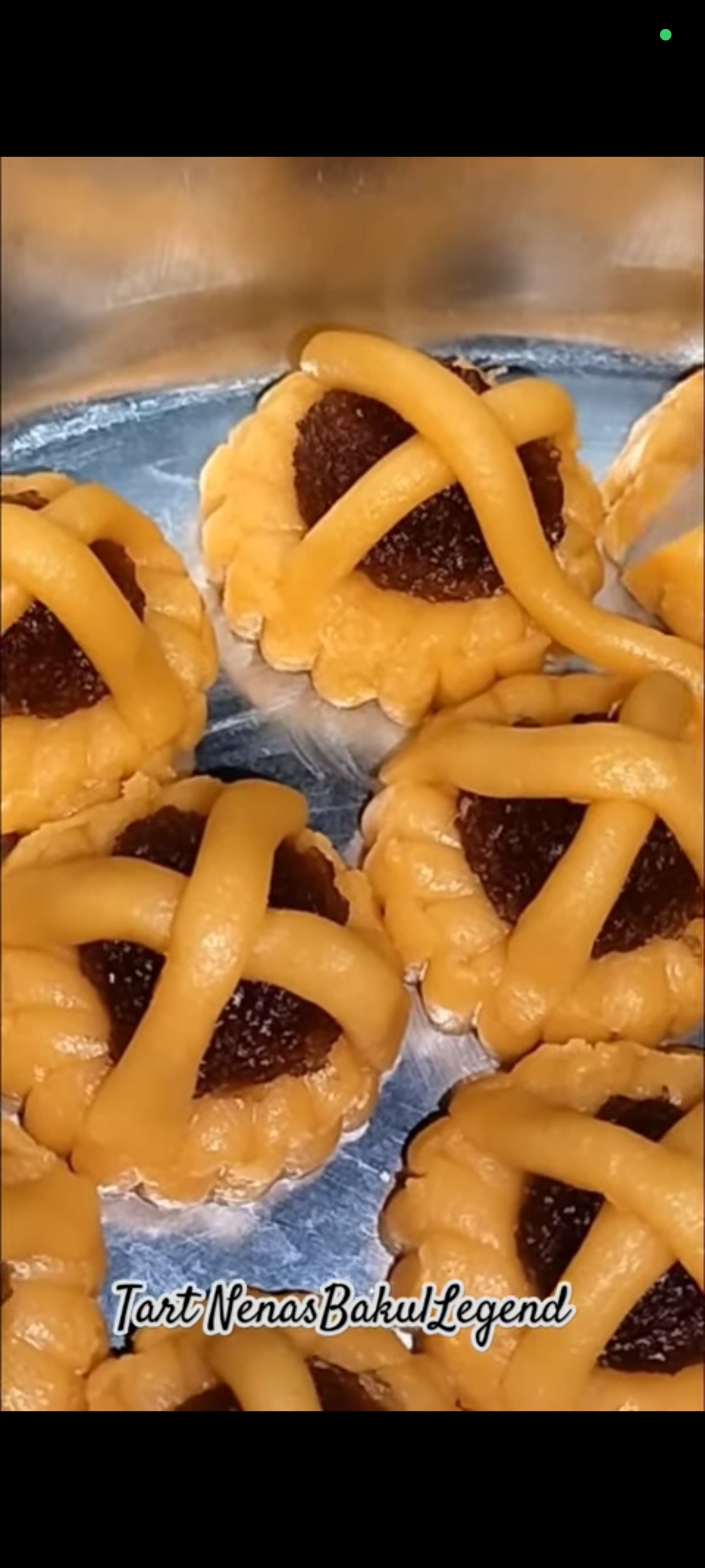
I don't have a picture of this tart but it looks like the picture below. But Tart Nenas Sabah is much better. There is more pineable jam because the edges are flat so the tart is full of the jam. The strings and edges are clipped to make them wavy but thin, and then painted with egg yolk with more surface area because of the clipping.
 |